
Modern life often feels like a continuous race against time. Between professional responsibilities, family commitments, digital notifications, and personal expectations, finding moments of relaxation can become difficult.
Many people begin a new year with ambitious plans to improve productivity, exercise more, sleep better, and organize their daily routines.
However, attempting too many changes simultaneously can create additional pressure.
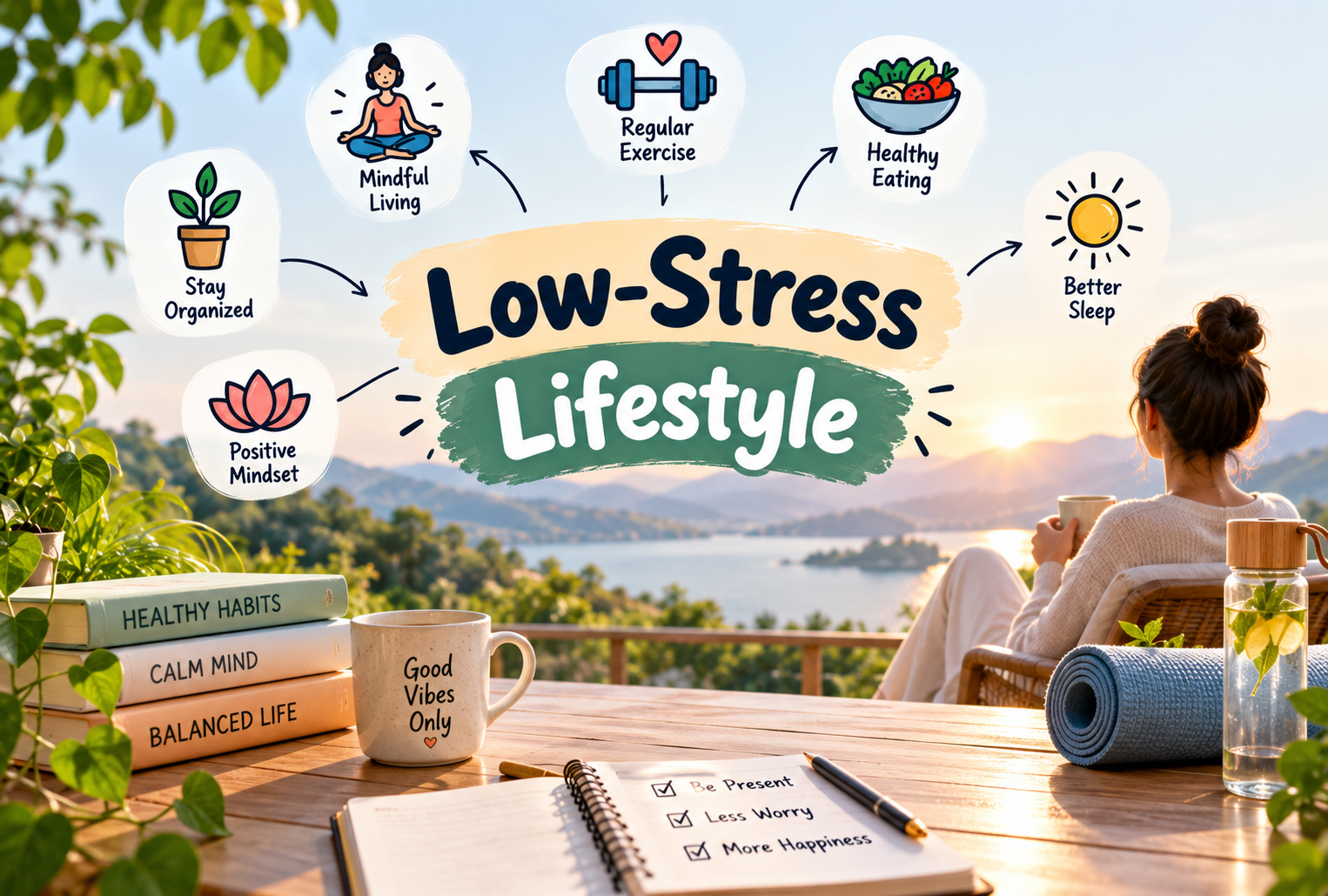
A low-stress lifestyle focuses on manageable habits that support physical comfort, emotional balance, and everyday satisfaction.
Rather than trying to eliminate every challenge, the goal is to create routines that make responsibilities easier to handle.
As 2027 approaches, small and consistent lifestyle adjustments can provide a practical foundation for a more balanced year.
What Does a Low-Stress Lifestyle Mean?
Living with less stress does not mean avoiding responsibilities or expecting every day to be perfect.
It means developing habits that help manage challenges without becoming unnecessarily overwhelmed.
A balanced routine includes adequate rest, reasonable work expectations, physical activity, social connections, and time for personal interests.
The idea of stress-free living is appealing, but completely avoiding stress is neither realistic nor necessary.
Some stress is a normal response to challenges.
The more useful goal is to reduce avoidable pressure and develop healthier responses to demanding situations.
Start Your Morning With a Simple Routine
The way you begin your morning can influence how organized and comfortable the rest of your day feels.
A complicated morning routine is not necessary.
Instead, focus on a few manageable activities.
Wake Up at a Consistent Time
Maintaining a regular sleep and wake schedule can support better sleep habits.
Try to keep your schedule reasonably consistent, including weekends.
Avoid Immediate Digital Distractions
Checking emails, social media, and news immediately after waking can create a sense of urgency.
Consider spending the first few minutes of your day away from unnecessary notifications.
Give Yourself Time to Prepare
Rushing through breakfast, getting dressed, and leaving home can make mornings unnecessarily stressful.
Preparing clothing, meals, or work essentials the previous evening may help.
These simple daily routine tips can make mornings feel more organized.
Build Healthy Daily Habits Gradually
Developing healthy daily habits does not require a complete lifestyle transformation.
Small actions are often easier to maintain than dramatic changes.
For example, someone who rarely exercises might begin with a 15-minute daily walk.
A person who frequently skips breakfast could start preparing a simple meal in advance.
Similarly, someone struggling with bedtime routines might reduce late-night screen use.
The key is selecting habits that fit naturally into existing responsibilities.
Trying to change everything at once can lead to frustration.
Instead, introduce one or two habits, practice them consistently, and gradually build on your progress.
Make Mindful Living Part of Everyday Activities
Mindful living involves paying attention to the present moment rather than constantly worrying about past events or future responsibilities.
Mindfulness can be practiced through breathing exercises, meditation, walking, or simply focusing on everyday activities.
Learn more about mindfulness.
Practice Short Breathing Breaks
Taking a few slow breaths during a busy day can provide a moment to refocus.
You do not need special equipment or a dedicated meditation space.
Eat Without Constant Distractions
Try occasionally eating meals without scrolling through your phone.
Paying attention to food and the eating experience can make meals feel more enjoyable.
Focus on One Activity
Constantly switching between tasks can make work feel more demanding.
When possible, complete one meaningful activity before moving to the next.
Mindfulness is not a guaranteed solution to every stress-related problem, but it can be a useful part of a broader wellbeing routine.
Improve Your Work-Life Balance
Maintaining work-life balance is an important challenge for people managing demanding jobs, studies, or family responsibilities.
Digital communication makes it easy for professional obligations to extend into personal time.
Setting reasonable boundaries can help protect opportunities for rest.
Establish Working Hours
Where possible, define when your workday begins and ends.
Avoid checking nonurgent work messages throughout the evening.
Take Regular Breaks
Short breaks can help interrupt long periods of sitting or concentrated work.
Use breaks to stretch, walk, drink water, or rest your eyes.
Learn to Prioritize
Not every task requires immediate attention.
Identify the most important responsibilities and focus on completing them before less urgent activities.
Protect Personal Time
Schedule time for family, hobbies, relaxation, and social connections.
Personal activities should not always be treated as optional rewards after completing every professional task.
Create a Balanced Lifestyle Through Better Sleep
Sleep is an essential part of personal wellbeing.
Poor sleep can affect concentration, mood, energy, and daily performance.
Developing a comfortable bedtime routine may help improve sleep consistency.
Consider reducing caffeine late in the day, maintaining a comfortable sleeping environment, and limiting stimulating activities before bedtime.
Try to keep the bedroom quiet, dark, and appropriately cool.
Most adults generally need seven to nine hours of sleep, although individual needs vary.
If sleep problems persist or significantly affect daily functioning, professional medical guidance may be appropriate.
Reduce Digital Overload
Smartphones and digital platforms are useful, but constant notifications can interrupt concentration and relaxation.
A practical digital reset does not require abandoning technology.
Instead, establish boundaries around unnecessary screen use.
Turn off nonessential notifications, organize application alerts, and create device-free periods.
For example, you might avoid social media during meals or stop checking work messages shortly before bedtime.
Consider replacing some scrolling time with reading, walking, creative activities, or conversations.
Reducing digital distractions can create more space for meaningful experiences.
Organize Your Home for a Calmer Environment
A comfortable living environment can make daily activities easier.
Cluttered spaces may create practical difficulties, particularly when important items are difficult to find.
Start by organizing one small area rather than attempting to clean the entire home in a single day.
You might begin with a desk, wardrobe, kitchen counter, or bedside table.
Keep frequently used items accessible and remove objects that no longer serve a purpose.
The goal is not to create a perfect home.
It is to make your surroundings more functional and comfortable.
Make Time for Activities You Enjoy
A balanced lifestyle should include enjoyment alongside responsibilities.
Hobbies can provide opportunities for creativity, relaxation, and personal satisfaction.
Activities might include gardening, cooking, painting, reading, cycling, photography, or listening to music.
Choose activities based on genuine interest rather than social media trends.
Even a short period dedicated to something enjoyable can make a busy day feel more rewarding.
Social relationships also matter.
Spending time with supportive friends and family can contribute to a sense of connection and belonging.
Avoid the Pressure to Be Productive All the Time
One common lifestyle challenge is the belief that every moment must be productive.
People may feel guilty when resting, watching a movie, or spending time on hobbies.
However, rest is an important part of maintaining energy and motivation.
A productive life is not necessarily one filled with continuous activity.
Allowing time for recovery can help make demanding responsibilities more manageable.
Developing a low-stress lifestyle requires recognizing that personal value is not measured solely by completed tasks.
Create a Realistic Lifestyle Reset for 2027
Instead of creating an overwhelming list of resolutions, select a few meaningful goals.
For example, you might decide to improve sleep consistency, walk regularly, reduce unnecessary screen time, and reserve one evening each week for relaxation.
Track progress without expecting perfection.
Some days will be more demanding than others, and routines may need adjustment.
The most sustainable changes are flexible enough to accommodate real life.
Conclusion
A more balanced life does not require expensive wellness programs, complicated schedules, or dramatic personal changes.
Simple routines, reasonable boundaries, physical activity, adequate rest, and meaningful relationships can all support everyday wellbeing.
The goal is not perfection but steady improvement.
By introducing manageable habits and reducing unnecessary pressure, you can build a low-stress lifestyle that supports your responsibilities and personal happiness throughout 2027.