

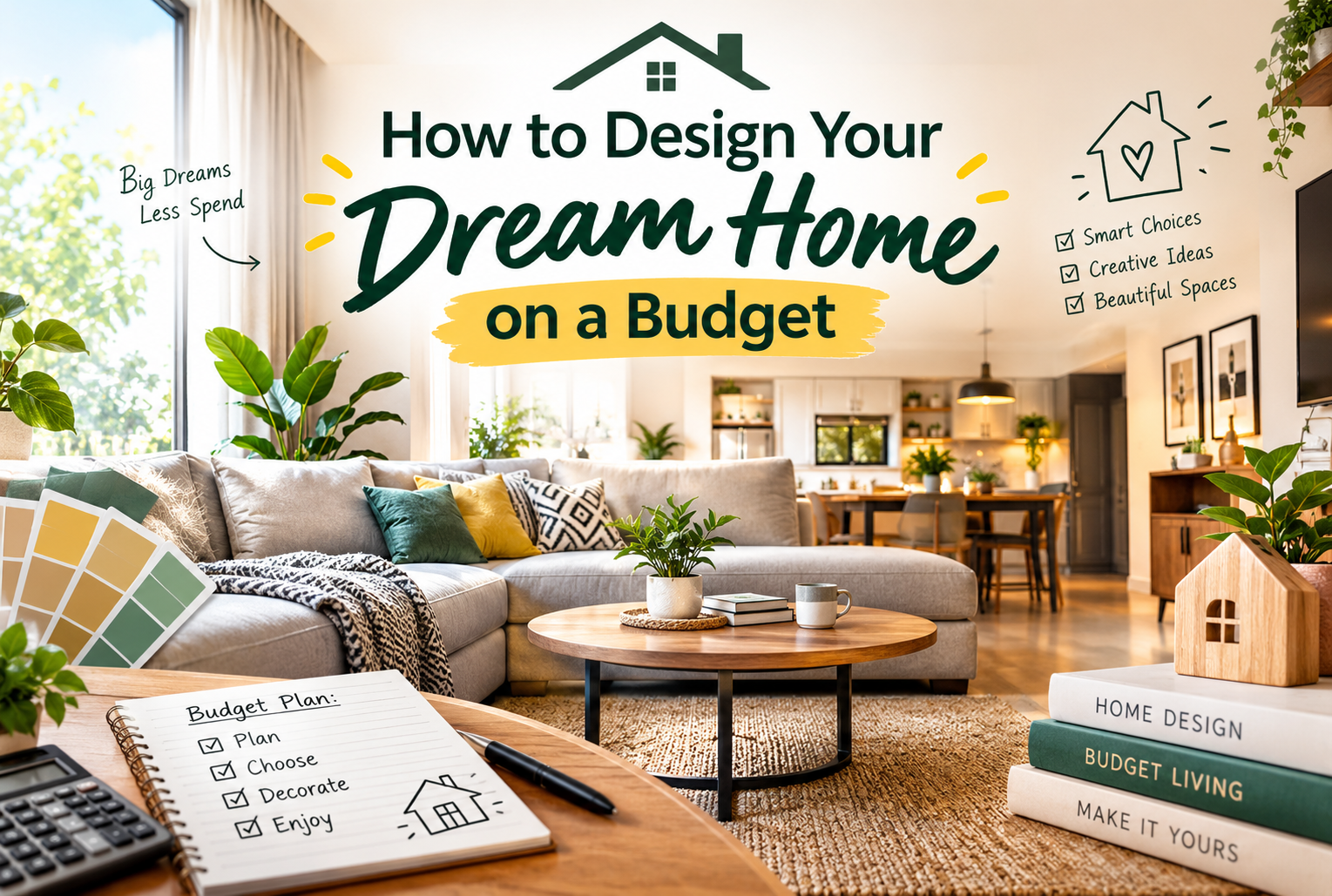
Designing your dream home does not have to be expensive. With smart planning, creative ideas, and the right furniture choices, you can create a beautiful, comfortable, and stylish home without spending too much money. Whether you live in a small apartment or a spacious house, there are many ways to achieve a premium look on a limited budget.
In this guide, you will discover practical home design ideas on a budget, affordable decoration tips, space-saving furniture solutions, and simple ways to make your home look modern and elegant.
Why Budget-Friendly Home Design Is Important
A well-designed home is not always about expensive furniture or luxury decorations. The right combination of colours, lighting, furniture, and accessories can completely transform your space.
Affordable home interior design helps you:
- Save money while creating an attractive living space.
- Make better use of available space.
- Choose furniture that offers comfort and functionality.
- Improve the appearance of your home without major renovations.
- Create a personalised interior that reflects your lifestyle.
With careful planning, even a simple home can look modern, organised, and welcoming.
1. Plan Your Home Design Before Spending Money
The first step in designing your dream home on a budget is creating a clear plan. Before purchasing furniture or decorative items, decide how you want each room to look and function.
Consider your daily needs, available space, preferred interior style, and overall budget.
Make a list of essential items, such as beds, sofas, wardrobes, storage units, and dining furniture. After covering the essentials, you can spend the remaining budget on decoration.
Budget tip: Measure your rooms before buying furniture to avoid unnecessary expenses and unsuitable purchases.
2. Choose the Right Colour Combination
Colours play an important role in making a home feel larger, brighter, and more attractive. You do not need expensive wall treatments to achieve a stylish look.
Consider these low-cost interior design ideas:
- White and beige: Create a clean, spacious, and timeless appearance.
- Grey and white: Give your interiors a modern and sophisticated look.
- Cream and wood tones: Add warmth and elegance.
- Pastel colours: Create a soft and relaxing atmosphere.
- Green and neutral shades: Bring a natural and refreshing feeling.
Use one or two primary colours throughout your home and introduce complementary shades through cushions, curtains, rugs, and accessories.
3. Invest in Multipurpose Furniture
Furniture can consume a large portion of your home design budget. Choosing multipurpose furniture helps you save money while improving functionality.
Some practical options include:
- Storage beds for keeping bedding and seasonal clothes.
- Sofa beds for accommodating overnight guests.
- Foldable dining tables for compact dining areas.
- Storage ottomans for seating and storing small items.
- Wall-mounted desks for creating a small work-from-home space.
- Nesting tables that can be arranged when needed.
For small house interior design, multifunctional furniture is particularly useful because it reduces clutter and makes rooms easier to manage.
4. Use Smart Storage Solutions
A clutter-free home often looks more attractive than a home filled with expensive decorations. Smart storage allows you to organise your belongings without making rooms feel crowded.
Try these home design tips for beginners:
- Install shelves on unused walls.
- Use organisers inside wardrobes and kitchen cabinets.
- Store seasonal items in labelled boxes.
- Use baskets for toys, accessories, and household essentials.
- Make use of the space beneath beds.
- Choose furniture with built-in storage.
Keep frequently used items within easy reach and store less-used belongings in designated areas. This simple approach can make your home look cleaner and more spacious.
5. Improve Lighting Without Spending Too Much
Good lighting can completely change the atmosphere of a room. Instead of relying on one bright light, combine different lighting sources to create a comfortable environment.
Here are some affordable options:
- LED bulbs to provide efficient everyday lighting.
- Floor lamps for living room corners.
- Table lamps for bedrooms and study areas.
- Pendant lights above dining tables.
- Warm lighting for relaxing spaces.
- Task lighting for reading, cooking, and working.
Whenever possible, allow natural daylight to enter your home by keeping windows clear and using light-coloured curtains.
Thoughtful lighting is one of the easiest modern home design ideas to implement without major renovation work.
6. Decorate Your Walls Affordably
Empty walls can make a room feel unfinished, but decorating them does not require expensive artwork or designer wallpaper.
Try these budget home decoration ideas:
- Create a gallery wall using affordable frames.
- Display personal photographs.
- Use a single accent wall with a different paint colour.
- Add simple floating shelves.
- Hang a mirror to reflect light and create a sense of space.
- Display handmade artwork or meaningful souvenirs.
Avoid decorating every wall. A few well-chosen elements can create a more balanced and elegant appearance.
7. Choose Affordable Curtains, Rugs, and Textiles
Soft furnishings can make a home feel more comfortable and coordinated. They are also easier to replace than permanent fixtures when you want to refresh your interior.
Choose curtains that complement your wall colours and furniture. Light-coloured curtains can help a room feel brighter, while heavier fabrics may provide additional privacy.
You can also use:
- Cushion covers to introduce new colours.
- Rugs to define seating areas.
- Bed linens to refresh the bedroom.
- Table runners to decorate dining spaces.
- Throws to make sofas look more inviting.
These small changes are practical home improvement tips for homeowners who want a new look without replacing major furniture.
8. Add Indoor Plants for a Fresh Look
Indoor plants can make your home feel lively and welcoming. They are an affordable way to introduce natural colours and texture into your interiors.
Popular choices include money plants, snake plants, spider plants, and other varieties suited to your home's lighting conditions.
Place plants on shelves, near suitable windows, or in unused corners. Use simple pots that match your overall colour scheme.
If you have limited space, consider hanging planters or small tabletop plants.
Tip: Choose plants according to the available light and the amount of care you can provide.
9. Design a Beautiful Kitchen on a Budget
The kitchen is one of the most frequently used areas of a home. A well-organised kitchen can look attractive and function efficiently without requiring a complete renovation.
Consider these affordable kitchen design ideas:
- Use drawer organisers to reduce clutter.
- Install open shelves for frequently used items.
- Add under-cabinet lighting where practical.
- Use matching containers for dry ingredients.
- Keep countertops clear of unnecessary objects.
- Replace worn cabinet handles for a refreshed appearance.
- Use washable wall finishes suitable for kitchen conditions.
Before replacing cabinets, check whether cleaning, repainting, or repairing existing units could achieve the desired result.
These simple home design ideas can improve both the appearance and usability of your kitchen.
10. Create a Comfortable Bedroom
Your bedroom should feel peaceful, comfortable, and organised. You can achieve an attractive bedroom design without purchasing expensive furniture.
Start with a comfortable bed, suitable lighting, and practical storage. Choose bedding that complements the walls and curtains.
For an affordable bedroom makeover:
- Use coordinated bedsheets and cushion covers.
- Keep bedside tables organised.
- Add a small bedside lamp.
- Use wall shelves instead of bulky furniture where appropriate.
- Choose simple curtains that suit the room.
- Remove unnecessary items to create a relaxing environment.
For modern home interiors, a clean and balanced bedroom design is often more effective than filling the room with decorations.
11. Make Your Living Room Look Modern
The living room is often the first space guests notice. You can improve its appearance by arranging furniture carefully and selecting a few coordinated accessories.
Position your sofa to support easy movement and conversation. Avoid blocking doorways or windows with large furniture pieces.
Affordable ideas include:
- Arranging cushions in complementary colours.
- Adding a rug to define the seating area.
- Using a mirror to enhance the sense of space.
- Keeping shelves neatly organised.
- Displaying a few decorative objects rather than many small items.
- Using warm, comfortable lighting.
The key to attractive affordable home interior design is balance. Every item should have a purpose or contribute to the overall appearance.
12. Try DIY Home Decoration Projects
Do-it-yourself projects can help you personalise your home while keeping costs under control. However, choose projects that match your skills and available time.
Some simple DIY ideas include:
- Painting old furniture.
- Making decorative photo frames.
- Reusing attractive glass jars as organisers.
- Creating handmade wall art.
- Updating cabinet handles.
- Making cushion covers from suitable fabric.
- Repurposing old wooden furniture.
Before starting a project, compare the cost of materials with the price of buying a finished product. DIY is most useful when it genuinely saves money and produces a durable result.
13. Budget-Friendly Home Design Ideas for Small Houses
Small homes require careful planning because every square foot matters. The goal is to make each room functional without making it feel crowded.
| Design Idea | How It Helps |
|---|---|
| Wall-mounted shelves | Free up floor space |
| Foldable furniture | Provides flexibility |
| Light wall colours | Help rooms feel brighter |
| Mirrors | Reflect light and create visual depth |
| Under-bed storage | Makes use of unused space |
| Sliding doors | Can reduce the space needed for door swings |
| Multipurpose furniture | Combines functions in one item |
| Decluttering | Makes rooms easier to use |
For small house interior design, focus on furniture proportions, clear walkways, and practical storage. Avoid purchasing large decorative items that reduce usable space.
14. Modern Indian Home Interiors on a Budget
Indian homes often need to balance modern styling with everyday family needs. Fortunately, you can combine contemporary design with traditional elements without spending excessively.
Here are a few ideas:
- Wooden furniture: Adds warmth and suits many interior styles.
- Traditional textiles: Introduce colour through cushions, curtains, and rugs.
- Brass or metal accents: Add character when used sparingly.
- Indoor plants: Bring a natural touch to living spaces.
- Simple pooja corner: Use a compact shelf or dedicated area where appropriate.
- Functional kitchen storage: Helps organise utensils, spices, and everyday essentials.
- Neutral walls with colourful accents: Create a flexible background for changing decor.
The best modern Indian home interiors combine comfort, practicality, and personal style rather than following every design trend.
15. Set a Realistic Home Design Budget
Before beginning any home improvement project, decide how much you can comfortably spend. Divide your budget into categories and prioritise essential work first.
The following is an illustrative budget for a small home refresh, not a fixed market quotation.
| Category | Example Budget |
|---|---|
| Paint and minor wall improvements | ₹5,000 |
| Lighting | ₹3,000 |
| Curtains and textiles | ₹4,000 |
| Storage and organisers | ₹3,000 |
| Small decor items and plants | ₹2,000 |
| Contingency fund | ₹3,000 |
| Total | ₹20,000 |
Actual costs depend on your city, room size, material quality, labour charges, and existing furniture.
For larger projects, obtain multiple quotations and keep a contingency fund for unexpected expenses.
16. Common Home Design Mistakes to Avoid
Even a generous budget can be wasted if the design is poorly planned. Avoid these common mistakes:
- Buying furniture before measuring rooms: This can create space and fitting problems.
- Following every trend: Trends change, but expensive furniture may remain for years.
- Ignoring storage: Poor organisation makes rooms look cluttered.
- Using too many colours: A coordinated palette creates a more balanced appearance.
- Overspending on decoration: Prioritise comfort and essential functionality.
- Choosing appearance over durability: Select materials suitable for everyday use.
- Forgetting lighting: Poor lighting can make even a well-decorated room feel uncomfortable.
- Starting without a budget: Unplanned purchases can quickly increase costs.
A thoughtful plan helps you create a home that looks good and works well for your daily life.
17. A Simple 30-Day Home Design Plan
If you are unsure where to begin, use this simple schedule to organise your home improvement project.
| Timeline | Task |
|---|---|
| Days 1–5 | Measure rooms, identify needs, and set a budget |
| Days 6–10 | Choose colours and create a furniture plan |
| Days 11–15 | Declutter and organise existing belongings |
| Days 16–20 | Complete essential repairs and paintwork |
| Days 21–25 | Arrange furniture, storage, and lighting |
| Days 26–30 | Add curtains, plants, and affordable decorations |
Adjust the schedule according to your budget, availability, and the amount of work required.
Conclusion
Designing your dream home on a budget is possible when you focus on smart planning, practical furniture, coordinated colours, efficient storage, and thoughtful decoration. You do not need expensive materials or luxury accessories to create a comfortable and attractive living space.
Start with the improvements that will make the biggest difference to your daily life. Reuse what you already own, compare prices before purchasing, and complete your project in manageable stages.
With these budget home decoration ideas, you can create a home that reflects your personality, makes efficient use of space, and stays within your financial limits.